What to Expect from Coordination of Supports at Recovery Together
- May 16
- 4 min read
Navigating the NDIS can feel overwhelming at times. Between understanding your plan, connecting with providers, managing appointments, and working toward personal goals, it’s easy to feel unsure about where to start or what comes next. That’s where Coordination of Supports can make a meaningful difference.

At Recovery Together, we believe support coordination is more than organising services. It’s about building confidence, strengthening independence, and helping participants create a life that feels connected, purposeful, and sustainable.
Importantly, there are two distinct roles that fall under Coordination of Supports:
Support Coordinators
Psychosocial Recovery Coaches
While both roles focus on helping participants navigate supports and achieve goals, each offers a different approach depending on a participant’s needs and circumstances.
Understanding the Two Roles
Support Coordinators
Support Coordinators help participants make the most of their NDIS plans by connecting them with services, supports, and community resources that align with their goals.

Their role often includes:
Explaining NDIS plans and funding
Connecting participants with providers
Coordinating multiple supports and services
Assisting with service agreements and referrals
Supporting participants through plan implementation
Helping build confidence in managing supports independently
Navigating challenges or changes in circumstances
Support Coordinators focus on practical coordination, problem-solving, and ensuring supports are working together effectively.
They help participants build the skills and confidence needed to gradually increase independence and choice in managing their own supports.
Psychosocial Recovery Coaches
Psychosocial Recovery Coaches provide specialised support for participants living with psychosocial disability and mental health challenges.
Their role is recovery-focused and centred around supporting long-term wellbeing, resilience, and personal growth.
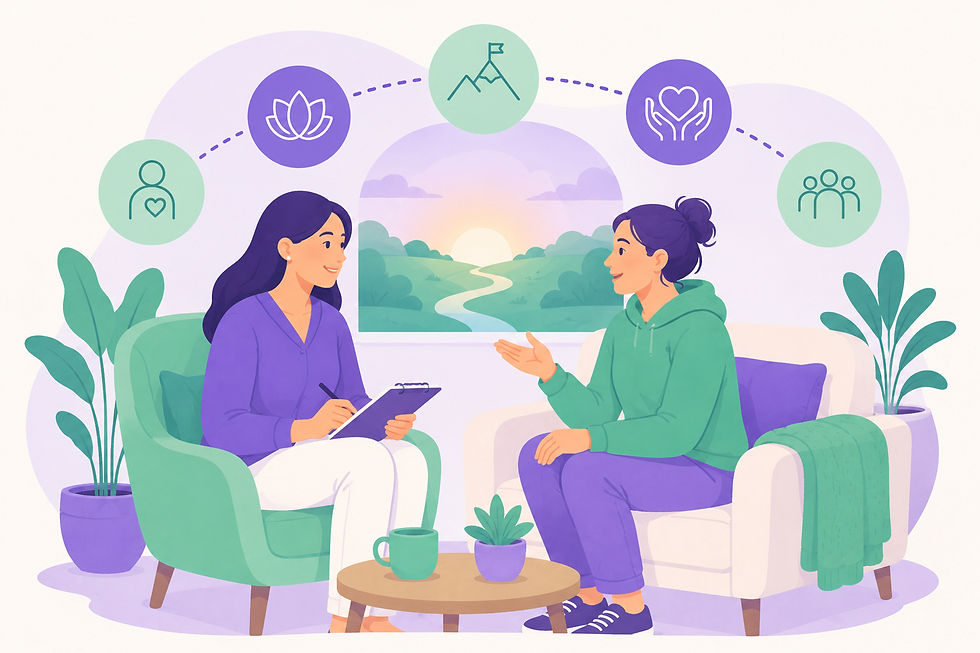
Recovery Coaches work collaboratively with participants to:
Develop recovery-focused goals
Build daily living skills and routines
Strengthen emotional resilience and self-management
Increase social and community participation
Navigate mental health systems and services
Build natural supports and meaningful connections
Create strategies for periods of stress or crisis
Unlike traditional coordination alone, Recovery Coaching places a strong emphasis on understanding a participant’s lived experience, strengths, and recovery journey.
At Recovery Together, our Recovery Coaches take a compassionate, person-led approach that recognises recovery is different for everyone.
A Person-Centred Approach
One of the most important things to expect at Recovery Together is that your voice matters.
We take the time to understand who you are beyond your NDIS plan; your goals, interests, strengths, challenges, and what a meaningful life looks like for you. Whether your goals involve improving mental health, finding stable housing, building social connections, returning to study or work, or becoming more independent, we work with you to create practical pathways forward.
Our team understands that recovery and capacity building are not linear journeys. Some days will feel easier than others, and that’s okay. We provide consistent support while encouraging growth at a pace that feels safe and achievable for you.
Building Capacity, Not Dependence
A core goal of both Support Coordination and Recovery Coaching is capacity building.
At Recovery Together, we focus on empowering participants rather than creating reliance on services. We aim to help people build the skills, confidence, and knowledge needed to make informed decisions and navigate supports more independently over time.

This may include:
Learning how to manage appointments and services
Building communication and advocacy skills
Understanding provider options and service agreements
Developing routines and organisational skills
Strengthening confidence in decision-making
Building self-awareness and resilience
Every participant progresses differently, and our role is to support that journey in a way that feels respectful and achievable.
Support Through Complex Challenges
Life can become complicated when mental health challenges, psychosocial disability, housing instability, trauma, social isolation, or crisis situations are involved. Recovery Together specialises in psychosocial support, meaning our team understands the unique barriers many participants face.
Our Support Coordinators and Recovery Coaches can assist with:
Coordinating multiple services and providers
Navigating mental health systems
Crisis planning and support
Accessing community and mainstream services
Building social connection and community participation
Advocating during difficult periods
Supporting recovery-focused planning
We aim to reduce stress, improve stability, and help participants move toward greater independence and wellbeing.
Collaboration and Communication
Effective support relies on strong communication and collaboration. At Recovery Together, we work closely with participants, families, carers, allied health professionals, and providers to ensure supports are aligned and working effectively.
Participants can expect:
Regular check-ins and reviews
Clear and transparent communication
Responsive and compassionate support
Assistance adapting supports as needs change
Collaborative goal planning
We understand trust takes time, and we prioritise building genuine, respectful relationships with every participant we support.
Recovery-Focused and Strengths-Based Support
At Recovery Together, we believe people are more than their diagnosis or circumstances. Our approach is grounded in hope, empowerment, and recognising each participant’s strengths.
Recovery can mean different things for different people:
Building independence
Improving mental wellbeing
Developing confidence
Reconnecting with community
Establishing stability and routine
Pursuing education or employment
Strengthening relationships and support networks
No matter the goal, our team works alongside participants to create meaningful and sustainable progress.
What Participants Can Expect When Getting Started
Starting with a Support Coordinator or Psychosocial Recovery Coach at Recovery Together is designed to feel welcoming, collaborative, and supportive.
The first steps may include:
A conversation about goals, needs, and challenges
Reviewing the NDIS plan and available funding
Identifying immediate priorities and support needs
Connecting with appropriate services and providers
Developing a personalised support approach
Ongoing check-ins, reviews, and adjustments
There is no one-size-fits-all process. Every participant’s journey is unique, and supports are tailored to reflect individual goals, preferences, and recovery needs.

Coordination of Supports is about more than organising services. It’s about helping people build confidence, strengthen independence, and move toward a more meaningful and connected life.
Whether working with a Support Coordinator or a Psychosocial Recovery Coach, participants at Recovery Together can expect compassionate, personalised, and recovery-focused support every step of the way.
If you or someone you know would like to learn more about our services, Recovery Together is here to help.


