When the World Celebrates Without You: Understanding Chronic Loneliness During Holiday Periods
- Apr 4
- 3 min read
Holiday periods are often framed as times of connection, joy, and belonging. Cultural narratives emphasise family gatherings, shared meals, and meaningful rituals. Yet for many individuals (particularly those without informal supports such as family, friends, or community networks) these same periods can intensify a deeply distressing experience: chronic loneliness.
This article explores the psychological impact of chronic loneliness during holidays, why it can feel especially acute at these times, and what supportive responses can look like.
What Is Chronic Loneliness?
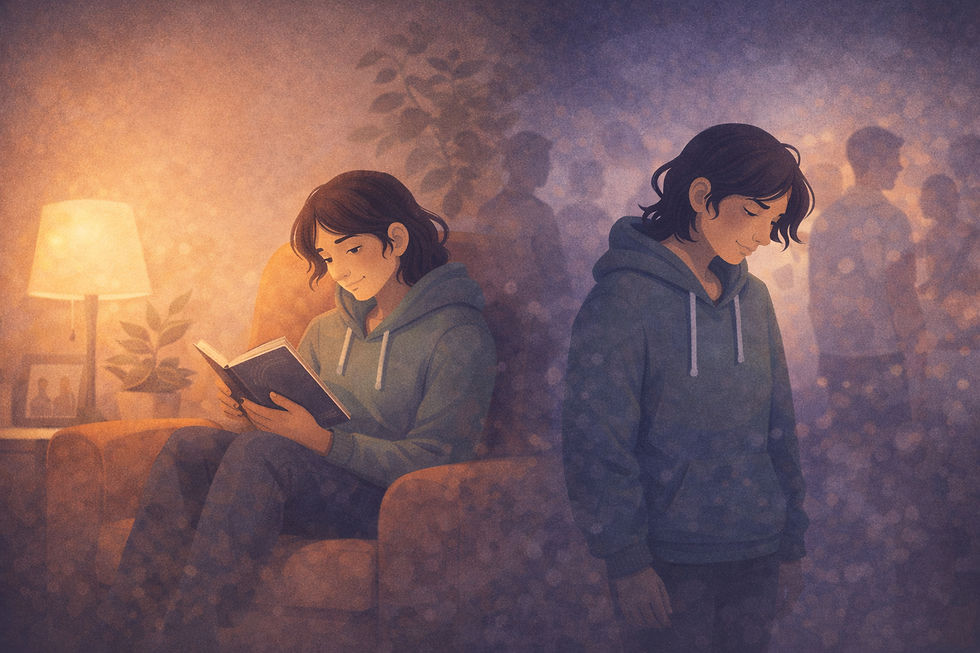
Loneliness is not simply being alone; it is the subjective experience of unmet social and emotional needs. Chronic loneliness occurs when this state persists over time, often becoming embedded in a person’s emotional and cognitive patterns.
Individuals without informal supports (such as estranged family members, social isolation due to disability, mental health challenges, or disrupted relationships) are particularly vulnerable. Over time, loneliness can shift from a temporary feeling into a core experience of disconnection.
Why Holidays Amplify Loneliness
Holiday periods create a unique psychological environment that can exacerbate loneliness through several mechanisms:
1. Social Comparison and Visibility of Connection
During holidays, social media, advertising, and public messaging overwhelmingly portray togetherness. For someone who lacks these connections, this creates a stark contrast between “what is” and “what should be,” intensifying feelings of exclusion and inadequacy.
2. Disruption of Routine
Many individuals rely on structured routines (work, appointments, services) to maintain stability. Holidays often disrupt these structures, leaving long periods of unoccupied time (what clinicians sometimes refer to as “unbuffered time”) which can amplify rumination and distress.
3. Reduced Access to Supports
Formal supports, including services, community programs, and even informal check-ins, may be limited or unavailable during holiday periods. This can heighten both practical isolation and emotional vulnerability.
4. Triggering of Grief and Loss
Holidays are often tied to memories of past relationships, family traditions, or significant life events. For individuals who have experienced loss (whether through death, estrangement, or life transitions) this can reactivate grief responses.
Psychological and Physiological Impacts
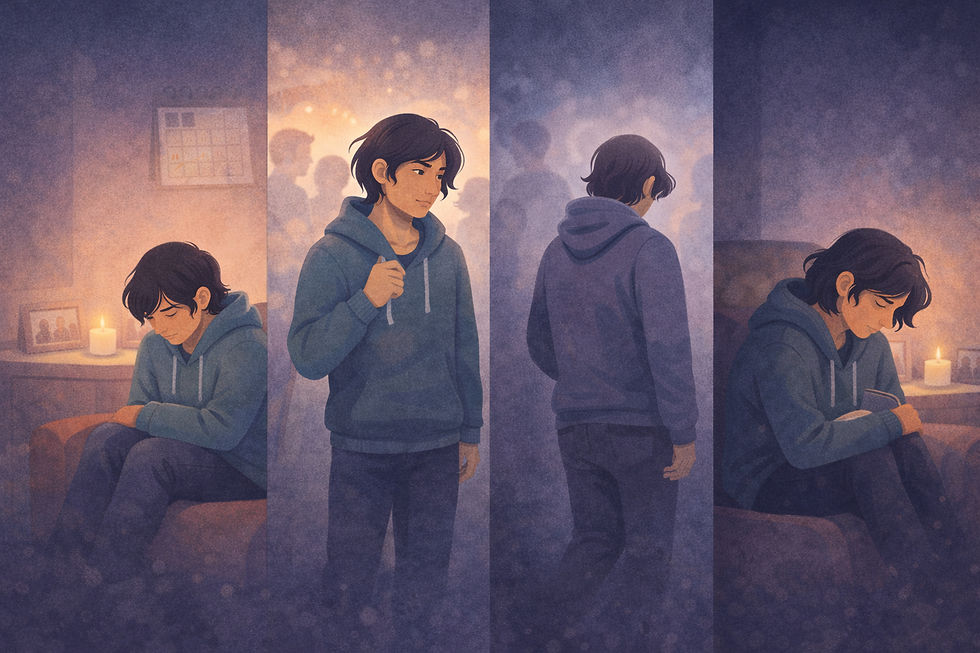
Chronic loneliness is not just emotionally painful; it has measurable effects on mental and physical health.
Emotional impacts may include:
Increased depressive symptoms
Heightened anxiety and hypervigilance
Feelings of worthlessness or invisibility
Emotional numbness or detachment
Cognitive impacts may include:
Negative self-beliefs (“I don’t belong anywhere”)
Social threat bias (interpreting neutral interactions as rejection)
Rumination and overthinking
Physiological impacts may include:
Elevated stress response (chronic activation of the HPA axis)
Sleep disturbances
Increased risk of cardiovascular and immune-related issues
Importantly, loneliness can become self-reinforcing. As individuals withdraw or anticipate rejection, opportunities for connection decrease, maintaining the cycle.
The Experience of “Being Forgotten”
A particularly painful aspect of holiday loneliness is the perception of being forgotten. While this may not always reflect objective reality, the subjective experience is powerful and can reinforce schemas of abandonment or unworthiness.
For individuals in psychosocial recovery contexts, this may intersect with trauma histories, attachment disruptions, or systemic marginalisation; making the emotional impact even more profound.

Protective Factors and Supportive Approaches
While loneliness during holidays can be deeply challenging, there are evidence-informed ways to mitigate its impact.
1. Validation Over Minimisation
Acknowledging loneliness as a legitimate and painful experience is critical. Statements like “others have it worse” can inadvertently increase shame and isolation.
2. Structured Engagement
Introducing intentional structure (such as planned activities, scheduled calls, or participation in community events) can reduce unbuffered time and provide a sense of purpose.
3. Alternative Meaning-Making
Holidays do not need to follow traditional scripts. Supporting individuals to create their own rituals (whether small, personal, or unconventional) can foster agency and identity.
4. Low-Threshold Social Contact
Even brief or low-intensity interactions (e.g., a message, a short visit, attending a group setting without pressure to engage deeply) can interrupt feelings of total isolation.
5. Professional and Peer Supports
For individuals engaged with services (e.g., support coordination, recovery coaching), proactive planning for holiday periods is essential. This may include:
Pre-holiday wellbeing plans
Identifying crisis supports
Scheduling check-ins where possible
6. Compassion-Focused Strategies
Encouraging self-compassion practices can help counteract harsh self-criticism often associated with loneliness. This includes recognising that loneliness is a shared human experience, not a personal failure.

A Note for Support Workers and Coordinators
If you’re working with individuals who may experience isolation during holidays, your role can be quietly significant. Small actions (anticipatory planning, validating conversations, and maintaining even minimal continuity) can provide a stabilising presence.
Importantly, the goal is not to “fix” loneliness, but to reduce its intensity and support the person to feel less alone within it.
Holiday periods can magnify both connection and disconnection. For those without informal supports, this time can feel less like celebration and more like exposure; an acute awareness of absence.
Understanding chronic loneliness through a psychosocial lens allows us to respond with empathy, structure, and intention. Even modest, consistent acts of connection (whether from services, communities, or individuals) can meaningfully soften what is otherwise a very isolating experience.

